Engineering problem · FDM, no moving parts
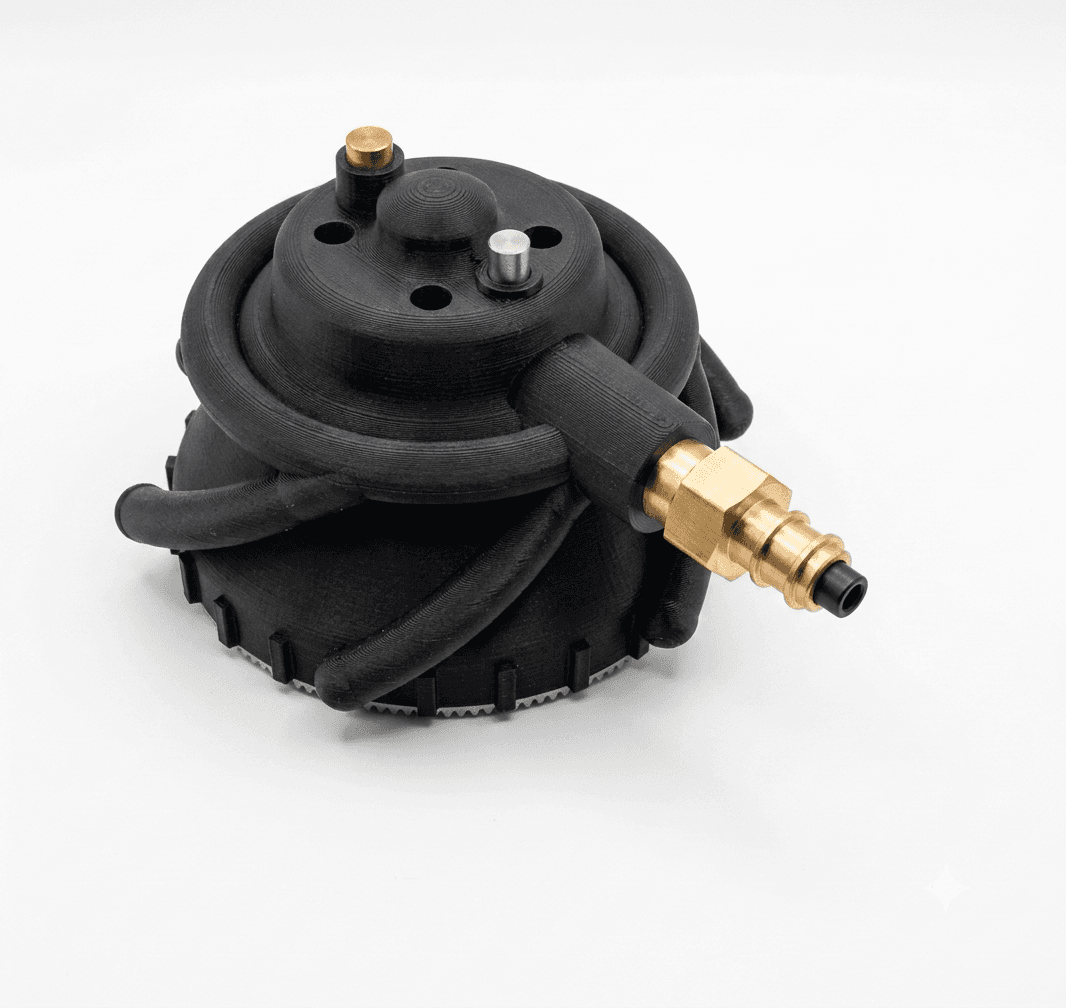
VG-90 non-contact vortex gripper
Holding force9.5 N, non-contact
Read the case study
FDM 3D printing service · firm price in seconds
Enclosed manifolds, undercut channels, vibration-tuned lattices — geometry no mill or mould can reach. Three real projects, with the engineering behind each one.
Start your requestNo model file, only a broken part? We can restore it by 3D scanning.
Case studies
Engineering problem · FDM, no moving parts
Read the case study
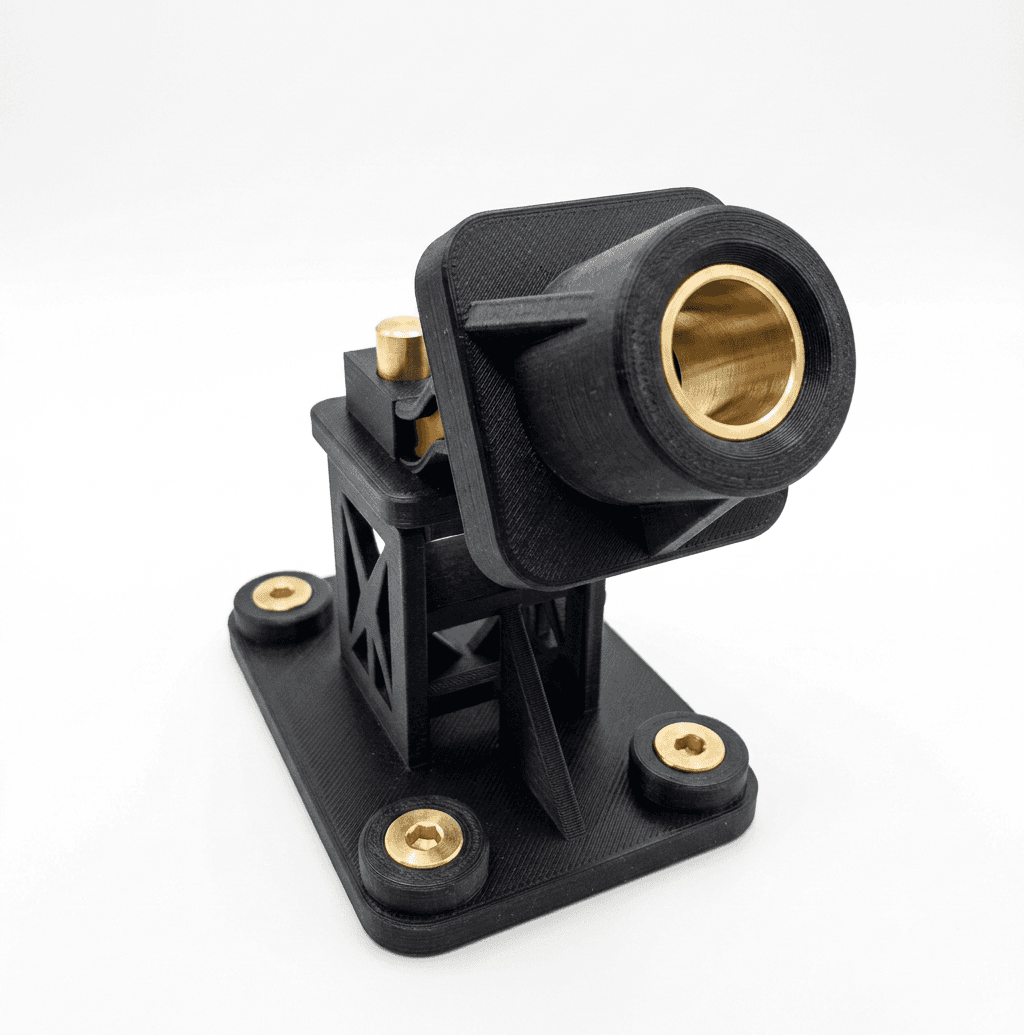
Problem · FDM, no moving parts
Read the case study
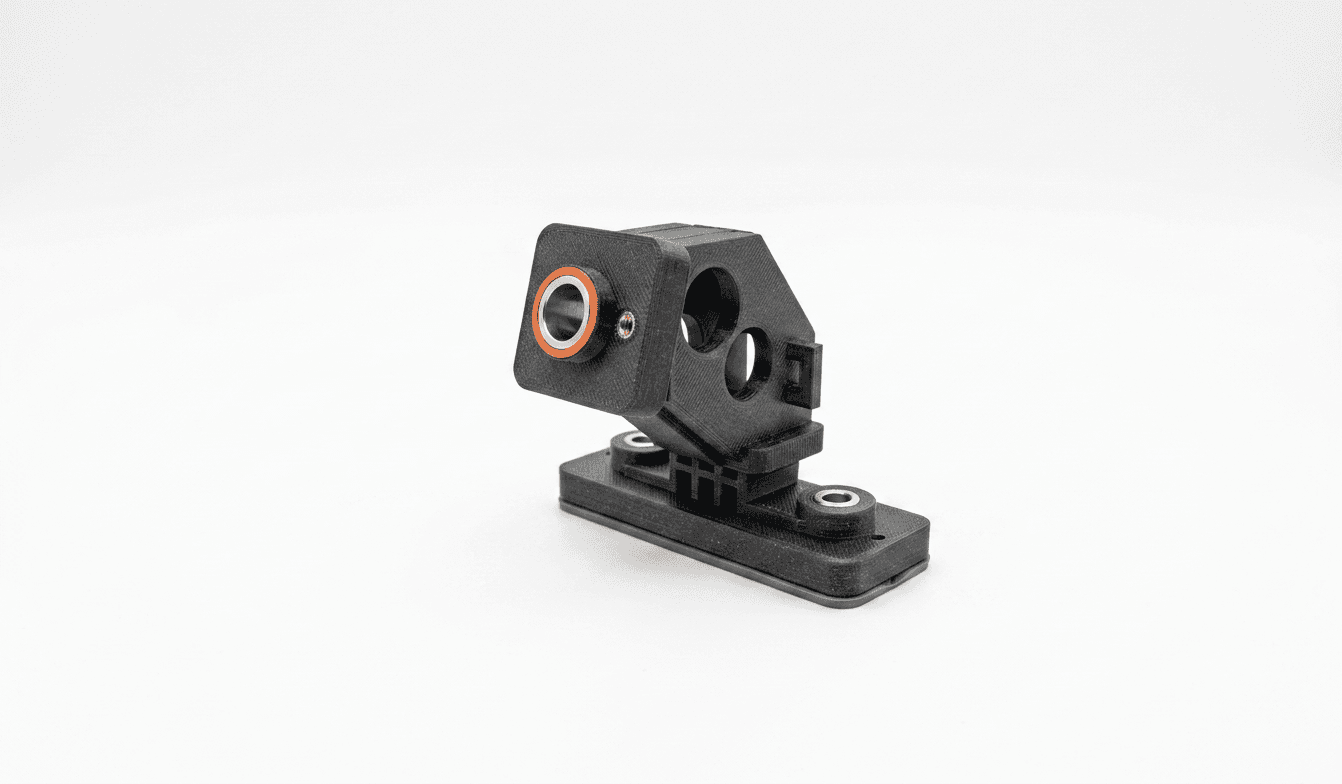
FDM · PC-CF · no moving parts
Read the case study
Published with our customers' permission.
Capabilities
Materials
Prototypes, design models, everyday parts. Biodegradable (PLA) or tough and chemically resistant (PETG).
Resistant to mechanical load, heat and UV (ASA). Flexible TPU for seals and damping elements.
Carbon- and glass-filled composites, extremely stiff polycarbonates, high-strength nylons, and high-performance polymers such as PPS-CF. Flame-retardant grade available (PC-FR).
How it works
Send your STL, STEP, or OBJ file and choose the material and layer height you need.
Your model is sliced for real — the same software and print profiles our printers use — and a firm offer with price, lead time and validity is ready within seconds of confirming your email. An engineer checks every accepted order before it goes to the printer.
Once you accept and pay, your parts go into the queue on the printer matched to your material.
Finished parts are inspected, packed, and shipped with tracking — typically 2–5 working days after payment.
Questions
Yes. A batch size of one is our normal order, not an exception — most of what we print is one to ten pieces.
Typical lead time is 2–5 working days after payment, plus tracked shipping across the EU. If you have a hard deadline, state it in the request — express lead times are quoted explicitly, not implied.
Engineering polymers from PLA to PPS-CF, in three tiers: standard (PLA, PETG), technical (ABS, ASA, TPU95) and engineering (PC, PC-ABS, PA6, PA-CF, PA-GF, PAHT-CF, PPA-CF, PET-CF, PPS-CF and others). A flame-retardant grade (PC-FR) is available.
Yes — PA-CF, PAHT-CF and PPA-CF are among our most-used materials for functional parts, jigs and end-of-arm tooling.
STL, STEP, OBJ · up to 150 MB
Confidentiality is our default — customer files and specifications are never published or reused, as our Terms state. We sign NDAs on request.
Upload your model, choose the material and layer height, and confirm your email. The price is calculated automatically by simulating the print on our machines, and the offer — firm price, lead time and validity — is usually ready within a minute. Where the automatic calculation cannot handle a part, for example an unusual file or a material we do not slice automatically, an engineer prices it within one working day.
Upload your model and see a firm price in seconds — calculated from a real print simulation, not a rough estimate.